How Interactive Photo Experiences Drive Employee Participation at Corporate Events
Why static photo booths no longer cut it
Corporate events have changed. Employees expect more than a simple backdrop and a still camera. They want an experience that feels fresh, engaging, and worth talking about. Traditional photo booths can feel dated, especially when the goal is to get people to step away from their phones and actually participate. Interactive photo experiences solve that problem by turning a passive activity into an active, social one.
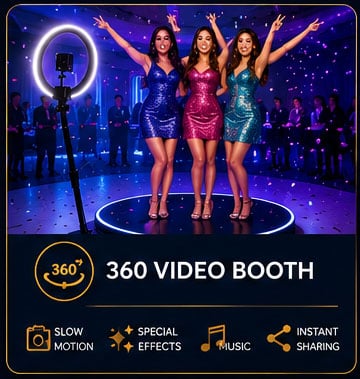
When you add elements like animated GIFs, green screen backgrounds, or 360 video, the booth becomes a destination. People gather around to watch, laugh, and try it themselves. That buzz is exactly what event planners want. It breaks the ice, gets colleagues mixing, and creates a shared moment that feels less like a corporate obligation and more like a genuine party.
What makes an interactive photo experience different
At its core, an interactive photo experience uses technology to let guests control the outcome. Instead of just pressing a button and receiving a printed strip, participants choose backgrounds, add props, trigger effects, or even record short video clips. The booth itself might use motion sensors, touchscreens, or augmented reality to respond to what people do. The result is a customised keepsake that feels personal and fun.
For corporate events, this flexibility is valuable. You can tailor the experience to match your company culture or the theme of the gathering. A holiday party might feature virtual snowflakes and reindeer antlers. A product launch could include branded overlays and logo frames. The booth becomes part of the storytelling, not just a photo station.
How it boosts participation
The biggest barrier to employee participation at events is apathy. People stand around, check their phones, and wait for something to happen. An interactive booth changes that dynamic. It gives people a reason to step forward and engage. The novelty of a 360 video rig or an AI transformation filter draws curiosity. Once someone tries it, others want a turn. That social proof is powerful.
The interactive element also lowers the social risk. A shy employee might not want to pose for a traditional portrait, but they will happily hold a quirky prop and wave at a camera. The activity feels playful, not performative. That shift in tone encourages broader participation across different personality types and comfort levels.
Creating shareable experiences for employees
One of the strongest outcomes of an interactive photo booth is the content it produces. People leave with digital files they can post, text, or email. That turns a single event moment into an ongoing conversation. When employees share their photos on social media or internal channels, the event's reach extends far beyond the room. It builds community and reinforces positive feelings about the company.
This is where the real value lies. Interactive photo experiences create shareable experiences for employees that keep the event alive long after it ends. The photos and videos become a digital memory book that people revisit. For remote teams or those who could not attend, the shared content offers a window into the company culture.
What to look for when choosing a corporate photo booth
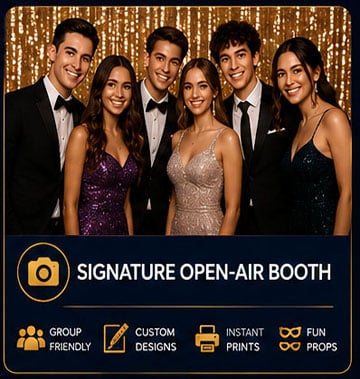
Not all interactive booths are the same. For a corporate event, consider a few practical factors. First, think about the technology. Does it require a dedicated operator, or can guests run it themselves? Staffed booths tend to run more smoothly and produce better results, but they also cost more. Second, check the output. High-resolution digital files are essential for social sharing. Some booths also offer instant printing, which adds a tactile element.
Third, look at custom branding. The best corporate booths allow you to add logos, event hashtags, or specific colours to every photo. That reinforces brand messaging and makes the keepsake feel official. Fourth, consider the space. Interactive setups like 360 video or green screen can require more room than a standard booth. Make sure the venue can accommodate it without feeling cramped.
Matching the experience to your event goals
Different events call for different interactive features. A team building day might benefit from a slow-motion video booth that captures group antics. A holiday party could use themed overlays and festive props. A company milestone celebration might incorporate a timeline of brand moments as virtual backdrops. Matching the technology to the mood of the event increases participation because the activity feels intentional, not generic.
Event activation is another area where interactive booths shine. You can use the booth as a central hub for contests, scavenger hunts, or prize giveaways. For example, challenge teams to create the funniest group photo and vote on the winner. That turns a passive photo station into an engine for interaction and conversation.
What about employee engagement?
Employee engagement is a broad goal, but small moments of genuine fun have a real impact. When people feel that the company invested in something just for them, it builds goodwill. An interactive photo booth is a visible sign that the event was designed with enjoyment in mind. It also gives employees a chance to let their guard down and connect with colleagues in a low-pressure setting.
The key is to make the booth easy to use and open to everyone. Clear signage, a friendly attendant, and simple instructions help people feel comfortable. Avoid complicated interfaces or long queues. The experience should feel seamless, not like another task on the event agenda.
The role of social sharing
Social sharing amplifies the impact of the booth. When employees post their photos, they are essentially endorsing the event to their networks. That organic promotion is more authentic than any official communication. To encourage sharing, include visible branding and a unique hashtag on every photo. Some booths even offer instant upload to social platforms or a digital gallery where guests can download all the images later.
But be mindful of privacy. Corporate events often include people who do not want their photos public. Offer a clear option to keep images private or share them only within a closed gallery. Respecting boundaries keeps the experience positive for everyone.
Practical tips for a smooth setup
Before the event, test the equipment thoroughly. Check lighting, background options, and the output quality. Coordinate with the venue to ensure power and internet are reliable. Have a backup plan for outages, such as a secondary camera or printed props. Communicate with the booth operator about the event schedule and any special requests.
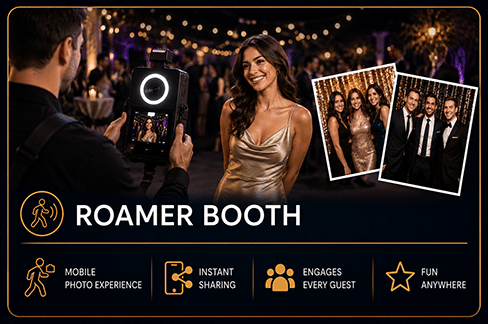
During the event, position the booth in a high-traffic area but away from noise that could interfere with audio or video. Provide a small table or area for props to keep the space tidy. Encourage the operator to interact with guests and prompt creative poses. A little guidance can turn a hesitant participant into an enthusiastic one.
Measuring success beyond the event
After the event, look at the data. How many people used the booth? How many photos were shared or downloaded? Did the hashtag gain traction? Those numbers tell you whether the investment paid off. More importantly, they show you what kind of interactive elements resonated most. Use that insight to refine your approach for the next gathering.
The real measure of success, though, is the sentiment. Did employees talk about the booth? Did it appear in post-event surveys or casual conversation? If people remember the photo experience fondly, it did its job. It created a positive association with the company and the event, and that is hard to achieve with any other single activity.
Interactive photo experiences are not just a trend. They are a practical tool for making corporate events more engaging, more inclusive, and more memorable. When you choose the right setup and run it well, you give employees a reason to participate and a way to share the fun. That is what turns a routine corporate gathering into something people actually look forward to.